
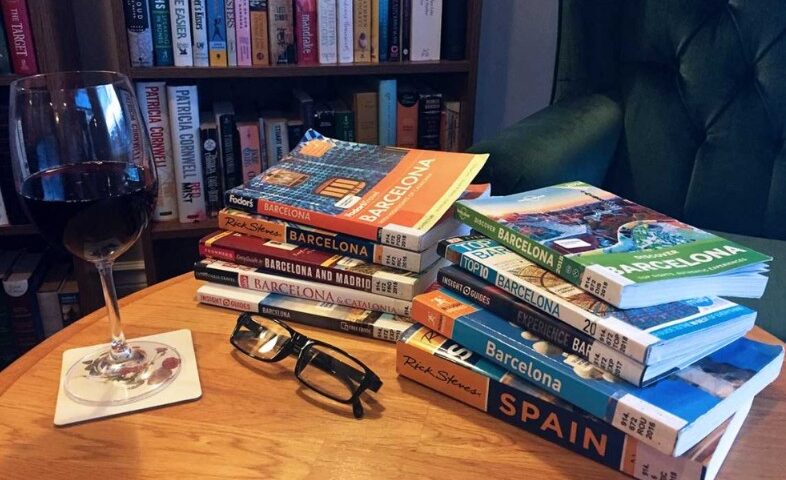
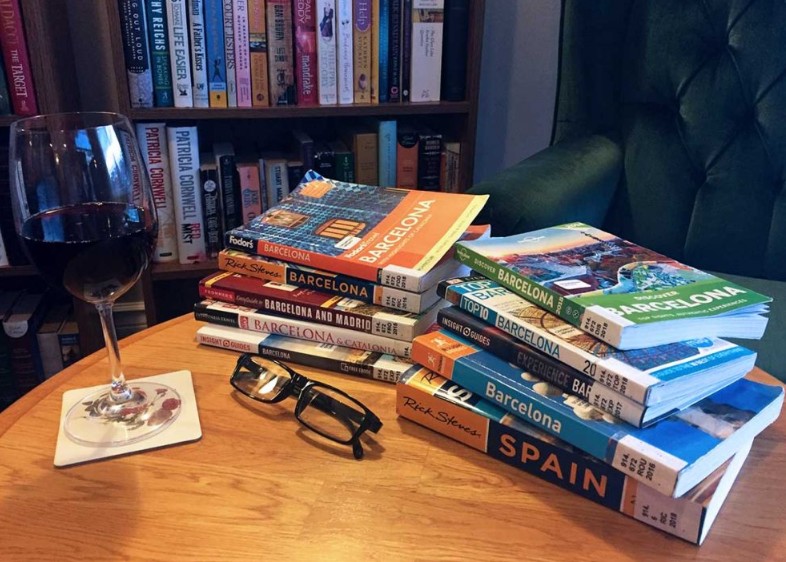
I’ll admit it upfront — I used to think travel guide books were kind of old-school. Heavy, outdated, and honestly a little boring. I was that person who thought, “Why carry a book when Google exists?” Yeah… I was wrong. Very wrong. And I learned it the hard way after getting lost in a foreign city with a dead phone, no Wi-Fi, and zero idea where the bus actually went.
That moment completely changed how I see travel guide books. Over the years, I’ve bought, borrowed, ignored, highlighted, and occasionally cursed at them. Some were amazing. Others were… not so much. But when you know how to use them properly, travel guide books can be one of the most valuable tools you bring on a trip. Not perfect. Just incredibly useful when used with common sense.
This isn’t a polished sales pitch. It’s more like me sitting across from you, coffee in hand, explaining what I’ve learned after decades of traveling with guidebooks stuffed into backpacks and carry-ons.
Why Travel Guide Books Still Matter (Even in the Internet Age)
I used to rely 100% on my phone. Blogs, maps, reviews, social media. It felt smarter and lighter. Then one trip taught me a painful lesson — technology fails, especially when you need it most.
Travel guide books don’t need batteries. They don’t lose signal. And they don’t suddenly stop working in rural areas or underground train stations. That reliability alone makes them worth carrying, even now.
Another thing I didn’t expect is how focused guide books are. Online content is scattered. One article talks about food, another about hotels, another about safety. A good guidebook brings it all together in one place. It’s calmer. Less noisy. My brain appreciates that, especially when I’m tired and jet-lagged.
Also, guidebooks are curated. Someone made decisions about what mattered. That alone saves hours of research.
The First Travel Guide Book That Changed My Mind
The first guidebook that truly won me over was a battered Lonely Planet I picked up secondhand. I didn’t even plan to use it much. It just felt comforting to have it, like a safety net.
Then one rainy afternoon, stuck in a small town with nothing open, I flipped through it and found a tiny museum listed in a single sentence. No photos. No hype. Just a mention.
That museum ended up being one of the best experiences of the entire trip. No crowds. Just local history, a friendly caretaker, and a story I still tell people years later. That’s when it hit me — guidebooks often point you toward places algorithms don’t care about.
They’re not chasing clicks. They’re chasing usefulness.
Popular Types of Travel Guide Books (And Who They’re Actually For)
Not all travel guide books are created equal. I learned that after buying the wrong kind more than once.
Some guidebooks are perfect for planning. Others shine once you’re already there. Knowing the difference saves money and frustration.
General Destination Guides
These are your big, chunky books. Think Lonely Planet, Rough Guides, or Fodor’s.
They usually cover:
- History and culture
- Transportation tips
- Where to stay (by budget)
- What to eat and where
- Safety and etiquette
These are best for first-time visitors. When I’m going somewhere completely new, this is the type I reach for first. It gives context. I hate feeling clueless, and these books help prevent that.
That said, they can feel overwhelming. I’ve caught myself reading too much and overplanning, which kind of kills spontaneity. So now I skim, highlight, and move on.
City-Specific Travel Guide Books
City guides are tighter and more focused. Less history, more “what do I actually do here?”
I love these for short trips. Weekend travel, especially. They help you maximize limited time without drowning you in options.
One mistake I made early on was buying a country guide when I only needed one city. Way too much info. A city-specific guide would’ve been enough.
Lesson learned.
Adventure and Niche Travel Guides
These are my favorites now, honestly.
Hiking guides, food-focused guides, road trip books, eco-travel manuals — these go deep. They don’t try to cover everything. They cover one thing well.
I once bought a food-centric guide for a region and ignored almost everything else. Best decision ever. I ate better than I ever had and accidentally learned more about local culture through meals than museums.
If you already know what kind of traveler you are, niche guidebooks are gold.
My Biggest Mistake With Travel Guide Books
For years, I treated guidebooks like rulebooks. If it wasn’t in the book, I ignored it. That’s a mistake.
Guidebooks are starting points, not final authorities. Some places change fast. Restaurants close. New neighborhoods pop up. Trends shift.
I once walked 30 minutes to a restaurant recommended in a guidebook, only to find it closed for good. I was annoyed, hungry, and stubbornly blamed the book.
Now I know better. Guidebooks work best when paired with flexibility. Use them for structure, not strict instructions.
How I Actually Use Travel Guide Books Now
My approach has evolved. A lot.
Before a trip, I read sections casually. I’m not memorizing anything. I just want a feel for the place. I highlight things that sound interesting, not everything that sounds “important.”
During the trip, I use guidebooks more like a menu. I flip through when I have downtime or need ideas. I don’t force myself to follow a plan if the mood shifts.
After the trip, I sometimes revisit the book. Sounds weird, but it helps reflect. I compare what I experienced with what was suggested. That reflection has helped me plan future trips better.
Digital vs Print Travel Guide Books
This debate comes up a lot. I’ve used both, and honestly, both have pros and cons.
Print guidebooks are tactile. You remember things better when you physically flip pages. They’re also easier to skim quickly. And no screen fatigue, which is underrated.
Digital guidebooks are lighter and searchable. You can bookmark sections, zoom maps, and carry multiple guides at once. That’s handy.
Personally, I use both. Digital for planning. Print for the actual trip. That combo has saved me more than once.
Travel Guide Books and SEO (Yes, Really)
This might surprise some people, but travel guide books have influenced how I write travel content online.
They’re structured beautifully. Clear headings. Logical flow. Useful subtopics. No fluff. That’s exactly what search engines reward now — helpful, organized content.
When bloggers complain about traffic dropping, I often notice they’ve stopped being useful. Guidebooks never forget usefulness. They’re built around it.
If you’re a content creator, reading guidebooks can actually make you a better writer. They teach clarity.
What Makes a Travel Guide Book Truly Good
After years of using them, I’ve developed a checklist in my head.
A good travel guide book:
- Gives honest pros and cons
- Explains why something matters
- Includes practical details (hours, costs, logistics)
- Respects local culture
- Doesn’t oversell everything
If a book claims every attraction is “unmissable,” I get suspicious. Real travel has highs and lows. Good guidebooks admit that.
Travel Guide Books for Different Travel Styles
One thing I wish someone told me earlier is that your travel style matters more than the brand.
If you’re a slow traveler, choose guides with cultural depth. If you’re a fast-paced traveler, look for itineraries and highlights. If you’re budget-conscious, you need detailed cost breakdowns.
I wasted money early on buying popular guides that didn’t match how I actually travel. Once I figured that out, guidebooks became much more useful.
Are Travel Guide Books Worth the Money?
Short answer: yes, if you use them properly.
Think about it this way — a single good recommendation can save you time, money, or stress. That alone can justify the price.
I’ve avoided tourist traps, overpriced tours, and sketchy neighborhoods because of guidebooks. I’ve also discovered places I never would’ve found online.
That’s value.
When Travel Guide Books Fall Short
They’re not perfect. And pretending they are would be dishonest.
Guidebooks can:
- Be outdated
- Miss trendy spots
- Underrepresent local voices
- Focus too much on “safe” choices
That’s why I never rely on them alone anymore. They’re one tool in the toolbox, not the whole kit.
My Advice for First-Time Guidebook Users
If you’ve never used a travel guide book before, don’t overthink it.
Buy one. Flip through it. Mark a few things. Ignore the rest. Let curiosity guide you, not obligation.
And don’t feel bad if you don’t use every page. Nobody does. That’s normal.
Final Thoughts on Travel Guide Books
Travel guide books aren’t outdated. They’re just misunderstood.
They won’t plan your entire trip for you, and they shouldn’t. What they will do is give you confidence, context, and options. They reduce friction. They help you make better decisions faster.
After all these years, I still pack one on almost every trip. Not because I have to, but because I’ve learned how valuable they can be when things don’t go as planned.
And trust me — things never go exactly as planned. That’s kind of the point of travel.
If you’re willing to treat travel guide books as companions instead of commandments, they’ll reward you in ways no algorithm ever could.